
Introduction
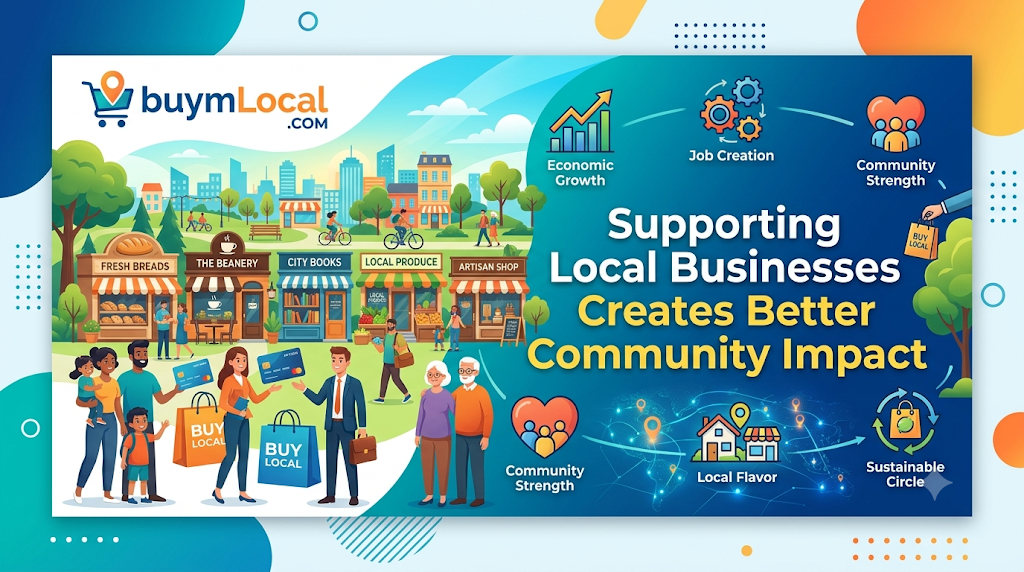
Every time you spend money, you make a choice about the kind of neighborhood you want to live in. Choosing a neighborhood coffee shop, hiring a local plumber, or shopping at a family-owned market does far more than complete a simple transaction. It funds local jobs, keeps tax dollars in town, and builds a vibrant, resilient neighborhood.
Independent, local businesses serve as the backbone of healthy towns and cities. They sponsor youth sports, fund local charities, adapt to local needs, and give unique character to main streets. Yet, in an era dominated by global e-commerce platforms and massive retail chains, the essential role of independent business can easily be overlooked.
Understanding supporting local businesses through the lens of community impact shows how daily spending choices shape local prosperity. When neighborhood commerce flourishes, the entire region benefits through safer streets, better schools, stronger civic engagement, and long-term economic stability.
In this guide, you will learn:
- The economic mechanisms behind local spending and the “local multiplier effect.”
- Eight core pillars of community impact powered by neighborhood commerce.
- Practical ways consumers can support local entrepreneurs beyond just spending money.
- How platforms like BuyMLocal.com bridge the gap between conscious shoppers and trusted independent businesses.
What Does It Mean to Support Local Businesses?
Supporting local businesses means intentionally choosing independent, locally owned enterprises for your daily products, services, and experiences. It is a mindset that prioritizes long-term community value over short-term convenience.
       +-------------------------------------------------------+
       |                  CONSUMER PURCHASES                   |
       +-------------------------------------------------------+
                                   |
                                   v
       +-------------------------------------------------------+
       |               LOCAL BUSINESS REVENUE                  |
       |  - Local Payroll      - Local Taxes                   |
       |  - Local Suppliers    - Civic Sponsorships            |
       +-------------------------------------------------------+
                                   |
                                   v
       +-------------------------------------------------------+
       |             COMMUNITY IMPACT & PROSPERITY             |
       |  - Safer Neighborhoods  - Stronger Schools            |
       |  - Better Infrastructure - Thriving Town Centers      |
       +-------------------------------------------------------+
Support for independent business extends beyond retail purchasing. It encompasses a broad range of everyday choices:
- Sourcing Local Services: Hiring neighborhood tradespeople, mechanics, accountants, and legal advisors rather than out-of-town agencies.
- Dining Locally: Choosing independent restaurants, cafes, and bakeries that source ingredients from nearby farms.
- Digital Advocacy: Leaving positive online reviews, sharing local store updates on social media, and recommending neighborhood vendors to friends.
- Civic Engagement: Participating in community markets, downtown festivals, and shop-local campaigns.
Why Local Businesses Matter More Than Ever
In an increasingly standardized commercial landscape, independent businesses maintain local uniqueness and character. Without them, towns risk losing their distinct identities to identical storefronts and impersonal supply chains.
- Economic Diversity: A broad mix of small, independent businesses protects local economies from single-industry downturns or corporate store closures.
- Social Cohesion: Main streets and town squares act as natural gathering places where neighbors interact and build social ties.
- Adaptability: Independent owners adapt quickly to changing community needs, offering personalized services that large corporations cannot match.
- Preservation of Character: Unique storefronts, historic renovations, and regional products create distinct, inviting neighborhoods.
The Economic Impact of Local Spending
Money spent at locally owned businesses delivers significantly higher returns to the local economy compared to purchases made at national chains or non-local online retailers.
When you buy from an independent store, a major portion of that revenue remains in the immediate community. Local owners hire nearby workers, contract with local accountants and attorneys, purchase inventory from regional vendors, and pay local property and sales taxes.
In contrast, non-local corporations typically extract revenue immediately, routing profits back to distant headquarters and investor groups.
Key Takeaway: Choosing local business keeps capital circulating within your hometown, funding public services, infrastructure, and parks without increasing local tax burdens.
How Local Businesses Create Local Jobs
Small and independent businesses serve as the primary engine of job creation across most communities. They offer accessible employment opportunities for residents of all background levels:
- Diverse Employment: Small businesses hire local teens, university students, specialized artisans, tradespeople, and retirees.
- Career Growth: Independent firms give employees broader exposure to operations, customer management, and leadership skills than rigid corporate environments.
- Local Hiring Focus: Independent owners prioritize hiring candidates who live nearby, reducing commute times and keeping wages inside the community.
- Resilient Employment: Small business owners work hard to retain staff during challenging economic conditions, treating employees as valued community members rather than numbers on a balance sheet.
Keeping Money Within the Community: The Multiplier Effect
Economists refer to the compounding financial benefit of local spending as the Local Multiplier Effect. This process consists of three distinct economic cycles:
+------------------+     +-------------------+     +--------------------+
|  DIRECT EFFECT   | --> |  INDIRECT EFFECT  | --> |   INDUCED EFFECT   |
| Customer spends  |     | Business hires    |     | Employees spend    |
| $100 locally.    |     | local suppliers.  |     | wages in town.     |
+------------------+     +-------------------+     +--------------------+
- Direct Effect: The initial purchase spent by a customer at an independent business (e.g., buying $100 worth of groceries at a local market).
- Indirect Effect: The business using that revenue to pay local vendors, accounting firms, utility providers, and property leases.
- Induced Effect: Employees of the business and its local vendors spending their earned wages at other neighborhood shops, schools, and service providers.
Through these combined cycles, a single dollar spent locally often generates 2 to 3 times its original face value in regional economic activity.
How Supporting Local Businesses Creates Better Community Impact
1. Job Creation
Independent businesses collectively employ a massive portion of the workforce, creating stable employment options close to home.
- Why It Matters: Local jobs shorten daily commutes, support family stability, and lower unemployment rates across the municipality.
- Community Benefits: Keeps earning power within the neighborhood, raising overall household incomes.
- Consumer Impact: Shoppers interact with knowledgeable employees who live in and understand the local community.
- Long-Term Outcomes: Sustained job growth builds a resilient economic foundation that can withstand broader market fluctuations.
2. Economic Circulation
Keeping capital circulating locally ensures that funds remain available to finance public infrastructure, parks, and emergency services.
- Why It Matters: Local revenue funds essential municipal services without relying solely on higher property taxes.
- Community Benefits: Well-funded towns maintain better roads, safer parks, and upgraded emergency infrastructure.
- Consumer Impact: Residents enjoy improved public amenities and a higher overall quality of life.
- Long-Term Outcomes: A strong tax base supports municipal credit ratings and long-term public investments.
3. Community Investment
Local business owners live in the communities they serve. As a result, they care deeply about long-term neighborhood health.
- Why It Matters: Independent owners invest profits directly back into physical storefront improvements, local causes, and civic projects.
- Community Benefits: Revitalizes commercial districts, reduces vacant storefronts, and boosts surrounding home values.
- Consumer Impact: Shoppers enjoy clean, safe, and attractive town centers.
- Long-Term Outcomes: Creates vibrant commercial hubs that attract new residents, visitors, and long-term investment.
4. Entrepreneurial Growth
A supportive local environment lowers barriers to entry for aspiring entrepreneurs, encouraging innovation and diverse offerings.
- Why It Matters: Entrepreneurship provides a clear path for individuals to build wealth and achieve financial independence.
- Community Benefits: Fosters a creative, dynamic business environment filled with unique concepts and services.
- Consumer Impact: Shoppers gain access to unique, artisanal, and specialized products not found in standard retail chains.
- Long-Term Outcomes: Successful startups grow into established regional employers, creating long-term economic prosperity.
5. Social Connections
Physical local storefronts act as neighborhood hubs that encourage human interaction and strengthen civic trust.
- Why It Matters: Face-to-face interactions build strong social ties, reducing feelings of isolation in modern neighborhoods.
- Community Benefits: Builds welcoming, friendly neighborhood environments where residents look out for one another.
- Consumer Impact: Shoppers receive personal, warm service from neighbors who recognize them by name.
- Long-Term Outcomes: Stronger social trust leads to higher civic participation and collaborative problem-solving.
6. Local Innovation
Independent businesses often lead the way in offering customized services, regional farm-to-table foods, and unique products.
- Why It Matters: Small businesses can experiment with niche products and ideas much faster than risk-averse national chains.
- Community Benefits: Establishes the region as a hub for creativity, culture, and high-quality craftsmanship.
- Consumer Impact: Consumers enjoy tailored solutions created specifically for their local climate, lifestyle, and preferences.
- Long-Term Outcomes: Unique local offerings draw regional tourism, bringing external spending into the community economy.
7. Community Resilience
Towns with diverse independent business districts adapt better to economic disruptions and supply chain failures.
- Why It Matters: Regional supply chains and independent operators can pivot quickly during crises to meet urgent local needs.
- Community Benefits: Protects neighborhoods from total economic collapse if a single large employer leaves or fails.
- Consumer Impact: Residents maintain reliable access to essential goods and services during national disruptions.
- Long-Term Outcomes: Builds a durable local economy capable of navigating global financial shifts.
8. Long-Term Neighborhood Development
Flourishing commercial corridors raise surrounding residential property values and encourage long-term neighborhood revitalization.
- Why It Matters: Walkable commercial districts with thriving small businesses make neighborhoods desirable places to live.
- Community Benefits: Encourages public transit investment, walkable streets, and reduced crime rates around active hubs.
- Consumer Impact: Homeowners build greater equity while enjoying walkable access to dining, shopping, and services.
- Long-Term Outcomes: Transforms neglected commercial zones into vibrant, sustainable neighborhood centers for future generations.
Supporting Local Entrepreneurs and Innovation
Entrepreneurship drives economic mobility. When a community supports its local entrepreneurs, it creates a welcoming environment for creative ideas, new products, and specialized services.
Unlike national corporations that rely on centralized, mass-produced product lines, independent entrepreneurs solve hyper-local problems. A local contractor understands regional building codes and weather patterns; a neighborhood baker crafts items tailored to local tastes and dietary preferences.
By choosing independent businesses, consumers help local founders scale their concepts, hire more staff, and contribute fresh ideas to the community landscape.
Strengthening Community Identity and Culture
Think of your favorite place to visit. What made it memorable? Chances are it was not identical big-box stores or nationwide fast-food franchises. It was the unique character of local bookshops, independent cafes, historic diners, and regional art boutiques.
Local commerce shapes a neighborhood’s distinct visual and cultural identity:
- Cultural Heritage: Independent shops reflect the history, traditions, and diversity of the local population.
- Destination Appeal: Unique downtown districts attract tourists and day-trippers whose spending supports the wider local economy.
- Community Pride: Residents feel a stronger sense of ownership and pride in neighborhoods that feature unique, high-quality businesses.
Building Safer and More Connected Neighborhoods
Thriving commercial streets with active storefronts naturally create safer, more cohesive environments. Urban planners refer to this as “eyes on the street.”
+-------------------------------------------------------------------+
|               NEIGHBORHOOD SAFETY & CONNECTIVITY                  |
+-------------------------------------------------------------------+
|  1. Active Foot Traffic -> Natural Surveillance & Safer Streets   |
|  2. Welcoming Storefronts -> Increased Social Interactions        |
|  3. Familiar Owners & Staff -> Higher Mutual Vigilance            |
|  4. Well-Lit Corridors -> Vibrant Public Spaces                   |
+-------------------------------------------------------------------+
When local shopkeepers keep their windows clean, light their sidewalks, and greet passersby, they help maintain safety. Busy, walkable commercial corridors discourage crime, encourage foot traffic, and turn public spaces into welcoming neighborhood meeting points.
Environmental Benefits of Local Commerce
Choosing local businesses delivers substantial, often overlooked environmental benefits:
- Reduced Transportation Emissions: Local goods move shorter distances, reducing fuel consumption and greenhouse gas emissions.
- Walkable Neighborhoods: Concentrated local business districts allow residents to walk or bike for daily errands rather than driving.
- Lower Packaging Waste: Independent markets and artisans often use minimal, recyclable, or reusable packaging compared to large online distributors.
- Preservation of Habitat: Supporting established downtown corridors reduces pressure to convert rural farmland into sprawling suburban shopping malls.
Customer Relationships and Community Trust
At a time when customer support is increasingly handled by automated chatbots and offshore call centers, independent businesses offer genuine human connection.
Local owners rely heavily on repeat customers and personal referrals. As a result, they prioritize high-quality service, accountability, and long-term trust.
If a product has an issue, you can speak directly with the owner to resolve it. This accountability fosters strong trust between merchants and the families they serve.
How Local Businesses Support Schools, Events, and Nonprofits
When local charities, school bands, or youth sports leagues need sponsors, they rarely receive help from out-of-town e-commerce giants. They turn to neighborhood business owners.
       +-------------------------------------------------------+
       |               LOCAL BUSINESS PROFITS                  |
       +-------------------------------------------------------+
                                   |
                                   v
       +-------------------------------------------------------+
       |            NEIGHBORHOOD CIVIC SUPPORT                 |
       |  - Youth Sports Teams  - School Fundraisers           |
       |  - Food Banks          - Community Arts & Festivals   |
       +-------------------------------------------------------+
                                   |
                                   v
       +-------------------------------------------------------+
       |         STRONGER SOCIAL SAFETY NET & SCHOOLS          |
       +-------------------------------------------------------+
Local businesses contribute significantly to community health by:
- Sponsoring little league sports teams, community theater groups, and school arts programs.
- Donating gift certificates, products, and catering services to local charity auctions.
- Hosting food drives, coat collections, and holiday charity events right inside their stores.
- Serving on local school boards, civic committees, and charity boards.
The Ripple Effect of Buying Local
A decision to spend $50 at an independent neighborhood merchant sets off a positive chain reaction throughout the local economy:
- Day 1: You spend $50 at an independent neighborhood hardware store.
- Day 3: The hardware owner uses part of that money to pay a local printing shop for marketing flyers.
- Day 7: The print shop owner uses their earnings to dine at a family-owned restaurant down the street.
- Day 10: The restaurant server receives tips and spends them on a haircut at a neighborhood salon.
- Day 14: The salon owner pays local property taxes that fund the nearby public library and fire station.
This continuous circulation demonstrates how individual purchasing choices help build a secure, prosperous community.
Challenges Local Businesses Face Today
Despite their clear value, independent businesses face major competitive pressures in today’s market:
- Unfair Competition: Multinational e-commerce platforms often benefit from tax advantages, bulk shipping discounts, and massive marketing budgets.
- Commercial Real Estate Costs: Rising rents in desirable downtown areas can push long-standing independent shops out of business.
- Digital Visibility Barriers: Many traditional small business owners lack the time, expertise, or budget to compete for online visibility on major search engines.
- Changing Consumer Habits: The rise of one-click mobile ordering has normalized speed and low cost over quality and community impact.
Overcoming these challenges requires accessible digital platforms that make finding and supporting local businesses simple for everyday consumers.
Key Local Commerce Comparisons
Local Businesses vs. National Chains
| Feature / Dimension | Local Independent Businesses | National Retail Chains |
|---|---|---|
| Economic Retention | Keeps 48% to 68%+ of revenue in the local economy. | Retains only 13.6% of revenue locally; profits leave town. |
| Community Investment | High; sponsors local sports, events, and schools. | Low to moderate; corporate donations go to distant headquarters. |
| Job Quality & Focus | Hires local talent; offers broad skill training. | Focuses on standardized, routine corporate workflows. |
| Unique Character | High; tailored to local culture, regional tastes, and history. | Identical store layouts, stock, and corporate brand rules. |
Local Spending vs. External E-Commerce Spending
| Impact Category | Local Spending | External E-Commerce Spending |
|---|---|---|
| Tax Revenue | Funds local police, fire departments, roads, and libraries. | Sales tax may leave the state; zero contribution to local property tax. |
| Environmental Footprint | Low emissions; minimal packaging; supports walkable areas. | High shipping emissions; heavy cardboard and plastic waste. |
| Customer Experience | Personal, face-to-face relationships and expert assistance. | Automated customer support, bots, and self-service return portals. |
| Neighborhood Vitality | Fills storefronts; creates lively, safe, and attractive streets. | Leaves commercial areas vacant; degrades downtown foot traffic. |
Local Service Providers vs. Large Gig Platforms
| Characteristic | Independent Local Service Providers | Large Online Gig Platforms |
|---|---|---|
| Accountability | High; relies on long-term local reputation and word-of-mouth. | Low; anonymous service providers managed by algorithm. |
| Price Transparency | Direct quotes with no hidden corporate platform markups. | High commission fees (15%–30%) extracted by the platform. |
| Local Knowledge | Deep understanding of regional climate, building codes, and styles. | Generic advice that may ignore local environmental factors. |
| Community Impact | Profits are reinvested directly into the owner’s neighborhood home. | Platform commissions go to distant technology investors. |
Local Economic and Shopping Statistics
- The Local Multiplier Effect: Research shows that for every $100 spent at a locally owned business, approximately $68 stays in the local economy, compared to just $43 spent at a national chain store.
- Small Business Job Creation: Small businesses account for 64% of net new private-sector jobs created over the past two decades, making them the leading employer in local communities.
- Civic and Charity Giving: Small business owners donate 250% more to local non-profits, sports teams, and community causes per dollar of revenue than large corporate competitors.
- Consumer Intent: Over 72% of consumers state they prefer shopping at locally owned businesses, yet many struggle to discover them due to online search limitations.
How BuyMLocal.com Helps Strengthen Local Communities
BuyMLocal.com is a local business platform designed to bridge the gap between conscious consumers and independent neighborhood merchants.
       +-------------------------------------------------------+
       |                   BUYMLOCAL.COM                       |
       +-------------------------------------------------------+
       |                                                       |
  +----+----+             +----+----+             +----+----+  |
  | DISCOVER|             | CONNECT |             | SUPPORT |  |
  | LOCAL   |             | DIRECTLY|             | COMMUNITY|  |
  +----+----+             +----+----+             +----+----+  |
       |                       |                       |       |
       +-----------------------+-----------------------+       |
                               |                               |
                               v                               |
       +-------------------------------------------------------+
       |         THRIVING, RESILIENT NEIGHBORHOODS             |
       +-------------------------------------------------------+
BuyMLocal.com simplifies local commerce by providing an easy-to-use directory and community hub where shoppers can discover trusted local providers:
- Discover Local Businesses: Easily find neighborhood shops, local service experts, regional artisans, and independent dining spots in one organized directory.
- Direct Consumer Connections: Connect shoppers directly with local providers, removing unnecessary middleman fees and corporate markups.
- Enhanced Local Visibility: Helps independent owners establish a strong digital presence, allowing them to compete effectively with national brands online.
- Encourage Community Engagement: Highlight neighborhood events, local business stories, and community promotions to foster local engagement.
- Support Economic Resilience: Keep capital circulating within your town by making local shopping as easy and convenient as major e-commerce platforms.
Why Communities and Local Businesses Choose BuyMLocal.com
Shoppers, business owners, and civic leaders choose BuyMLocal.com to foster strong, connected neighborhood economies:
- Local-First Focus: Built around a mission to support independent businesses and protect community character.
- Trusted Business Discovery: Helps consumers discover vetted, reliable local professionals, tradespeople, and shops.
- User-Friendly Access: Provides a clean interface that makes finding nearby products and services fast and convenient on mobile devices.
- Support for Small Business Growth: Offers affordable digital tools that help independent owners reach nearby customers without expensive ad campaigns.
- Stronger Economic Connections: Connects residents, neighborhood businesses, and community organizations into a supportive local ecosystem.
Step-by-Step Guide to Supporting Local Businesses More Effectively
Supporting your local economy does not mean you have to change your entire lifestyle overnight. Small, intentional adjustments to your routines can make a significant difference:
1. Audit Your Monthly Budget
Examine your monthly expenses to identify recurring purchases that can be shifted to local providers—such as your morning coffee, weekend dining, pet grooming, or home maintenance.
2. Utilize Local Discovery Platforms
Use platforms like BuyMLocal.com to find nearby independent service providers, shops, and restaurants rather than relying on default national search engine ads.
3. Shift Your Gift-Giving Habits
Purchase gift cards, artisanal goods, and unique experiences from neighborhood boutiques, local spas, and independent restaurants for birthdays and holidays.
4. Hire Local Trade Professionals
Choose independent neighborhood mechanics, plumbers, electricians, landscapers, and accountants when you need home or professional services.
5. Leave Positive Online Reviews
Help independent businesses grow by taking two minutes to leave a positive review on Google, social media, and BuyMLocal.com after a great experience.
6. Engage on Social Media
Follow your favorite local businesses, like their posts, leave comments, and share their announcements with your local friends and neighbors.
Community Impact Checklist for Local Consumers
Use this simple checklist to guide your local purchasing decisions and build a stronger community footprint:
Daily & Weekly Shopping
- [ ] Buy fresh produce, baked goods, and pantry staples from local markets or farmers’ markets.
- [ ] Choose independent cafes, diners, and food trucks for mid-week meals and coffee runs.
- [ ] Purchase books, clothing, and home decor items from local storefronts.
Professional & Home Services
- [ ] Hire independent local contractors for home repair, painting, plumbing, and landscaping.
- [ ] Partner with neighborhood professional services (dentists, veterinarians, accountants, insurance agents).
- [ ] Use local automotive repair shops for vehicle maintenance and oil changes.
Community & Advocacy
- [ ] Search BuyMLocal.com first whenever you need a new product or service.
- [ ] Leave detailed, positive online reviews for local merchants you love.
- [ ] Attend local farmers’ markets, street fairs, and main street community events.
- [ ] Recommend local businesses in neighborhood social media groups and message boards.
Frequently Asked Questions (FAQs)
1. What does “buying local” mean?
Buying local means choosing to purchase goods, services, and food from independent, locally owned businesses located within your immediate town, city, or region rather than national corporations.
2. Why is supporting local businesses important for the economy?
When you shop locally, a higher percentage of your money stays within the community through local taxes, payroll, and purchases from nearby suppliers. This creates the “local multiplier effect,” which funds public amenities and strengthens economic stability.
3. Are local businesses really more expensive than chain stores?
Not necessarily. While some hand-crafted or specialized goods may carry higher initial prices, local service providers often offer transparent pricing without hidden corporate add-ons. Furthermore, purchasing high-quality local goods often saves money long-term by reducing replacement costs and supporting your local tax base.
4. How do local businesses help the environment?
Local businesses reduce environmental impact by sourcing products regionally, which shortens supply chains, cuts transportation emissions, minimizes plastic packaging waste, and supports walkable main street districts.
5. How can I support local businesses if I am on a tight budget?
Support does not always require spending money. You can support local businesses by leaving positive online reviews, recommending them to friends, sharing their social media content, and attending free community events they sponsor.
6. What is the “Local Multiplier Effect”?
The Local Multiplier Effect describes how a dollar spent at an independent business recirculates through the local economy multiple times—as wages, vendor payments, and local taxes—generating far more total economic value than spending at a distant corporation.
7. How do local businesses make neighborhoods safer?
Active local storefronts increase foot traffic, provide well-lit sidewalks, and create natural community surveillance (“eyes on the street”). This discourages crime, enhances street safety, and builds welcoming neighborhoods.
8. What is BuyMLocal.com?
BuyMLocal.com is a dedicated local commerce platform that helps consumers discover, connect with, and support trusted independent businesses, service providers, and artisans within their local community.
9. How does BuyMLocal.com help small business owners?
BuyMLocal.com gives independent business owners an easy, affordable way to build a strong digital presence, reach nearby customers online, highlight their products and services, and compete with large national brands.
10. How can I find trusted local service providers near me?
You can use BuyMLocal.com to search for verified neighborhood service experts—such as plumbers, electricians, landscapers, accountants, and mechanics—read reviews, and connect with them directly.
Conclusion
Supporting local businesses is far more than a passing shopping trend; it is a powerful way to invest directly in the safety, financial stability, and unique character of your community. Every purchase you make at an independent shop, local restaurant, or neighborhood service provider helps fund local jobs, build better schools, protect public amenities, and support local families.
When independent businesses thrive, main streets remain active, neighborhoods become safer, and local economies gain the strength needed to navigate changing economic times.
By making conscious choices to shop small, engage with neighborhood entrepreneurs, and use platforms like BuyMLocal.com, you can help build a vibrant, resilient community for generations to come. Start discovering and supporting your trusted local businesses today!

